
AT SCOTT FARMS, FARMING IS A LEGACY BUILT ON TRADITION, STRENGTHENED BY INNOVATION, AND and carried forward by generations.
FROM TOBACCO TO SWEET POTATOES, EVERYTHING WE GROW REFLECTS OUR COMMITMENT TO QUALITY, EFFICIENCY, AND THE FUTURE OF AGRICULTURE.
Scott Farms International
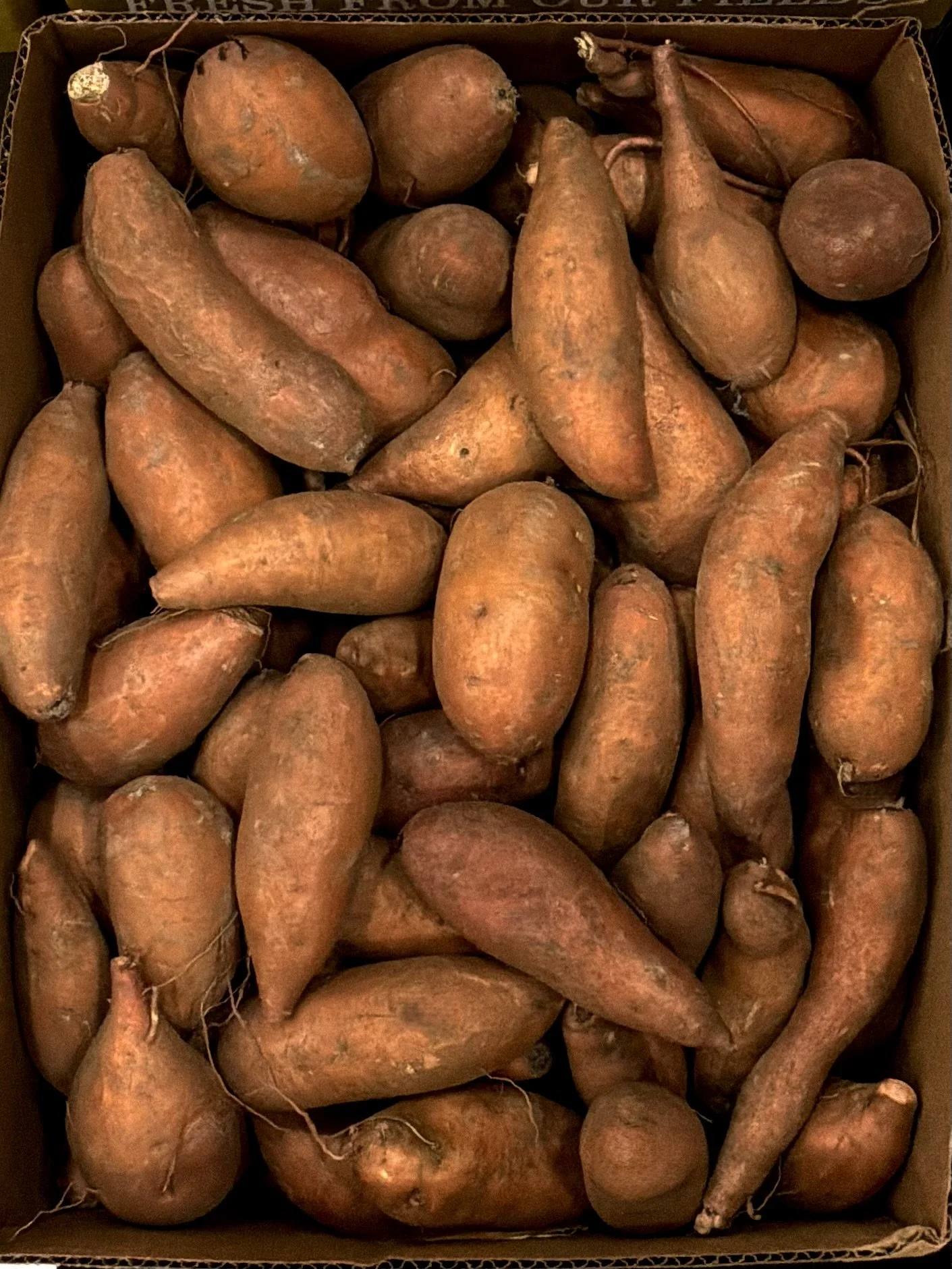
SWEET POTATOES ARE CENTRAL TO NORTH CAROLINA AGRICULTURE, AND SCOTT FARMS IS PROUD TO BE PART OF THAT STORY.
In 1983, Sonny Scott expanded the farm to include sweet potatoes, creating a more diversified and forward-thinking operation. Today, that decision has grown into one of the most advanced sweet potato operations in the country.
Through innovations like micro-propagation, we ensure only the highest-quality plants are used. Every step, from planting to harvest, is carefully managed for consistency and performance.
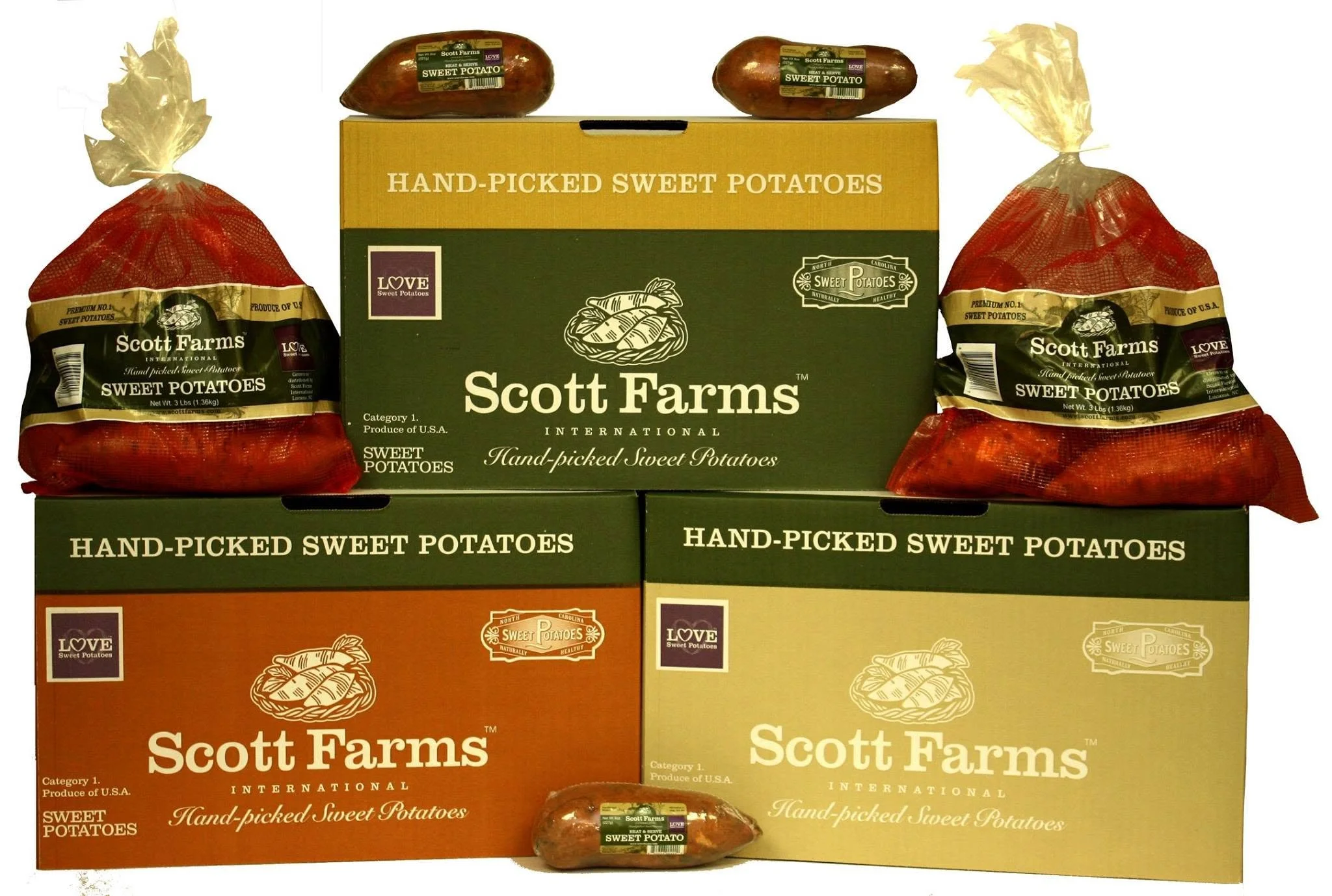
Our state-of-the-art packing facility, completed in 2015, allows us to size, grade, and pack at an industry-leading scale. With Global GAP certification and full traceability, we meet the highest standards in food safety and quality.
We also utilize controlled curing and storage systems, allowing us to supply premium sweet potatoes year-round.
Tobacco Operation
TOBACCO HAS BEEN A CORNERSTONE OF AMERICAN AGRICULTURE FOR CENTURIES, AND SCOTT FARMS HAS PROUDLY CARRIED THAT TRADITION FORWARD.
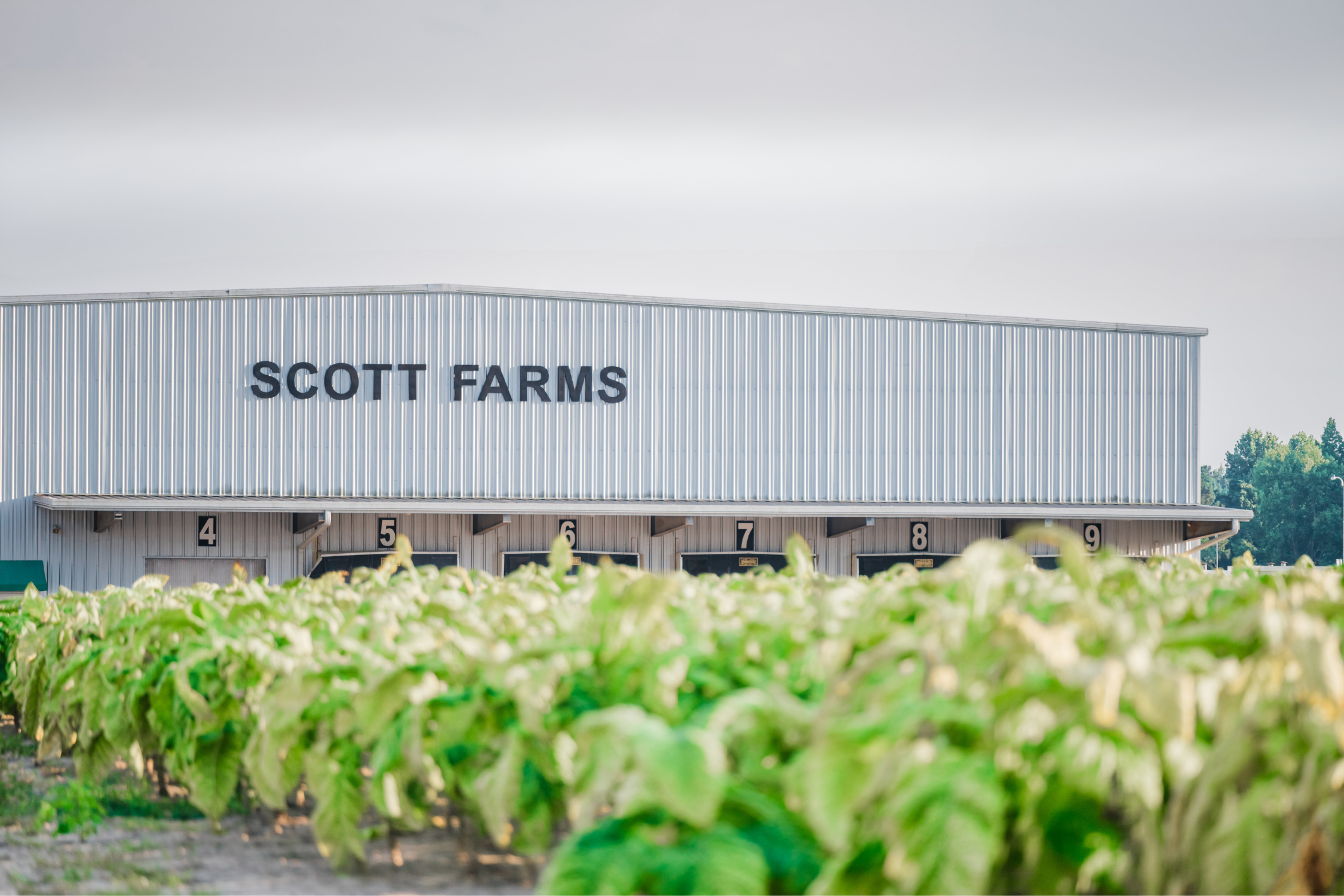
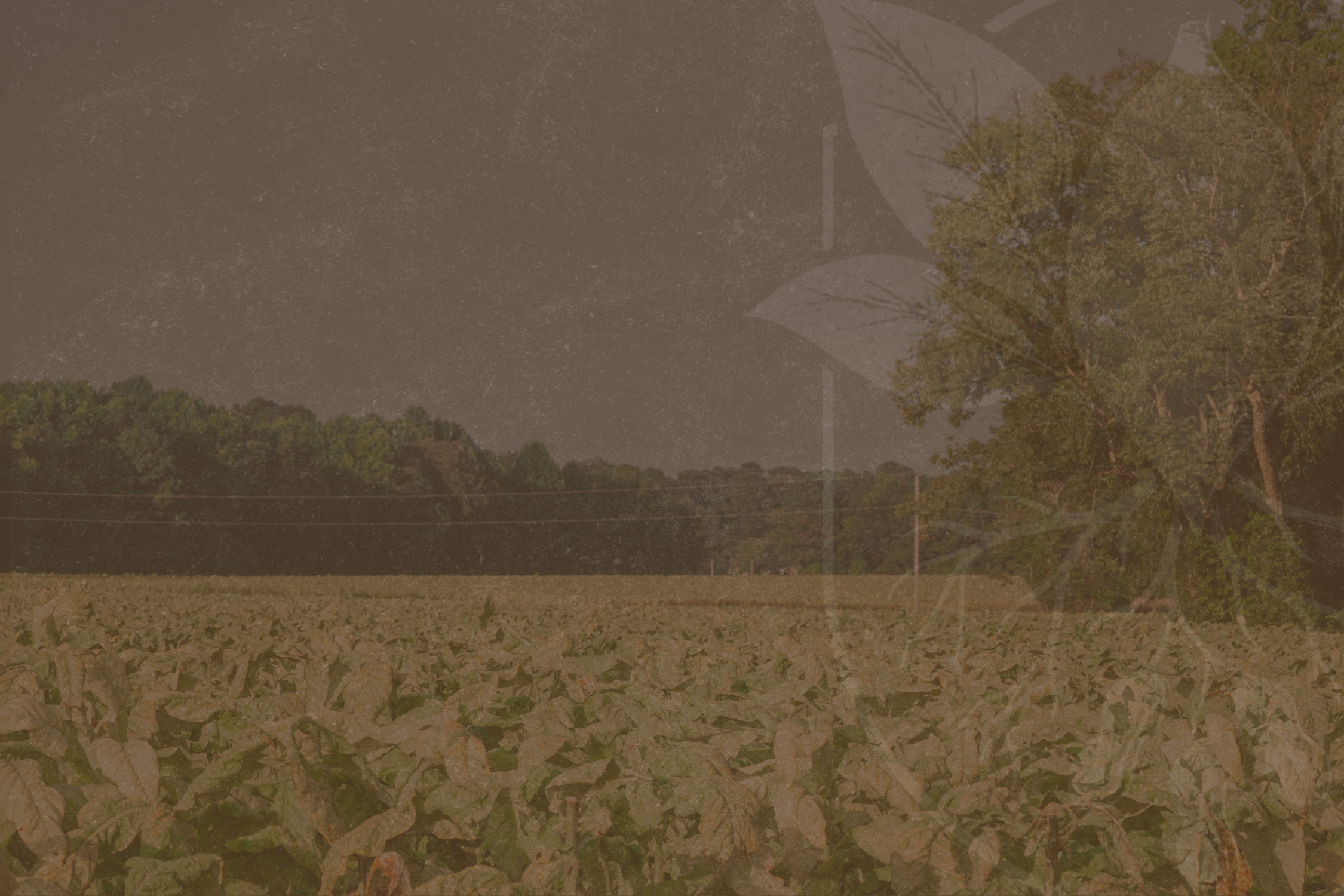
Since 1979, when Linwood “Sonny” Scott, Jr. and Alice Scott established the farm, tobacco has remained a key part of our operation. Today, we grow approximately 1,200 acres of flue-cured and burley tobacco in Wilson County.
Now led by Linwood Scott, III, our tobacco operation blends experience with innovation. What was once done by hand is now a fully mechanized, modern system designed for efficiency and consistency.
With over 110 curing barns and seven greenhouses, we continue to produce high-quality tobacco while staying at the forefront of agricultural advancement.
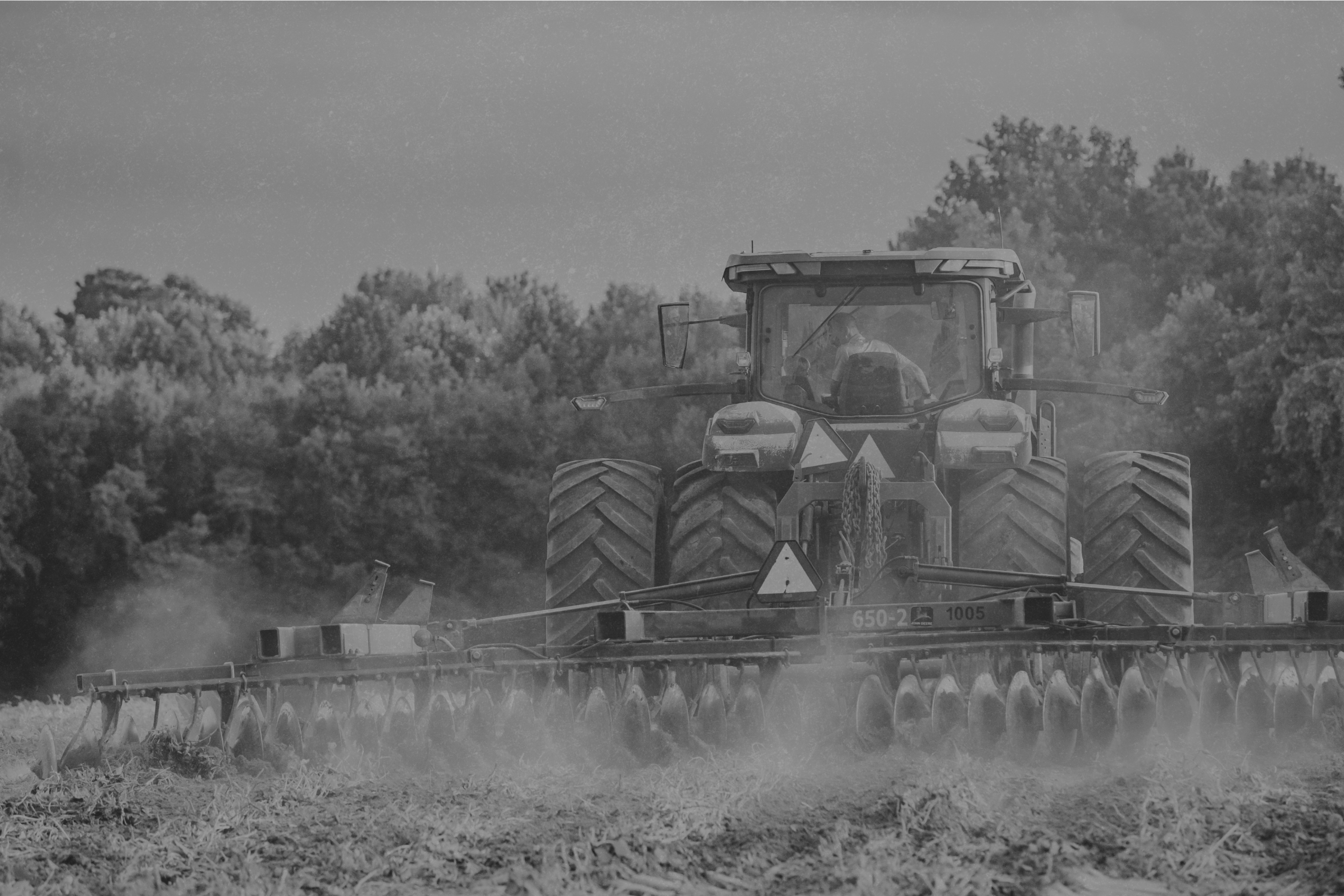
BUILT ON TRADITION. Driven by Progress.
EVERY PART OF SCOTT FARMS REFLECTS A BALANCE OF HERITAGE AND FORWARD THINKING.
We honor where we come from while continuously improving how we grow, harvest, and deliver—ensuring our farm remains strong for generations to come.